

Physiotherapy in Caloundra at Fortius Allied Health
Our Caloundra clinic at 41 Bombala Terrace provides physiotherapy, exercise physiology and remedial massage for people of all ages, from sports injuries and back pain to rehabilitation after surgery. No GP referral is needed, and you can book online.
Or contact us at 07 5293 6000
Fortius Allied Health provides physiotherapy in Caloundra at 41 Bombala Terrace, Caloundra QLD 4551. The clinic is open Monday to Friday, 7am to 5:30pm, and treats back and neck pain, shoulder and knee injuries, sports injuries and rehabilitation after surgery. No GP referral is needed. Book online or phone 07 5293 6000.
About Our Caloundra Physiotherapy Clinic
Our Caloundra clinic is at 41 Bombala Terrace, across the road from Bulcock Street, with free parking. It has its own phone line, 07 5293 6000, so you speak directly with the Caloundra team. What you can expect:
- One patient at a time: your physiotherapist sees one person at a time, so your appointment is focused on you.
- Physiotherapy, exercise physiology and remedial massage in one place: your physiotherapist can hand your strength program to an exercise physiologist when you are ready, without changing clinics.
- Plain explanations and a written plan: you will know what is going on, what to do at home and how your progress will be measured.
- Early starts: appointments from 7am on weekdays.
Physiotherapy Services in Caloundra
Our Caloundra physiotherapy clinic is close to home for people in Caloundra, Kings Beach, Moffat Beach, Dicky Beach, Shelly Beach, Currimundi, Golden Beach, Pelican Waters, Little Mountain, Caloundra West and Aura. We provide:
- Musculoskeletal physiotherapy for back, neck, shoulder, hip, knee and ankle pain.
- Sports injury rehabilitation, from early injury advice through to return to sport testing.
- Pre and post operative rehabilitation for joint replacements, ACL reconstruction, shoulder surgery and spinal surgery.
- Exercise physiology for long-term conditions such as osteoarthritis, osteoporosis, type 2 diabetes and Parkinson’s disease.
- The GLA:D program for hip and knee osteoarthritis.
- Remedial massage for muscle tension and recovery.
Shoulder, Knee and Back Pain Physiotherapy in Caloundra
Some of the most common problems we treat at our Caloundra clinic:
- Shoulder physiotherapy: dislocation and instability (including GAGL and Bankart lesions), rotator cuff problems, frozen shoulder and rehabilitation after shoulder surgery. See also our local guide to shoulder pain physio in Caloundra.
- Knee physiotherapy: ACL and meniscus injuries, kneecap pain, osteoarthritis and knee replacement rehabilitation.
- Lower back pain physiotherapy: assessment, education and a graded exercise program. Read how many physiotherapy sessions you may need for lower back pain.
- Neck pain and stiffness, including headaches that may be coming from the neck.
- Ankle sprains, tendon pain and running injuries for the many people who walk, run, surf and play sport around Caloundra.
WorkCover, CTP, NDIS and Private Health
- Private patients: no referral is needed. Private health rebates can be claimed if your extras cover includes physiotherapy, exercise physiology or remedial massage.
- WorkCover QLD: we treat people with accepted workplace injury claims. See WorkCover QLD rehabilitation.
- CTP (motor vehicle accidents): read Physiotherapy After a Car Accident in Queensland.
- NDIS: self managed and plan managed participants.
- Medicare: if your GP has set up a chronic condition management plan with a referral to physiotherapy or exercise physiology, a Medicare rebate may apply to some sessions.
How to Get Started at Our Caloundra Clinic
- Book: book online or phone 07 5293 6000. Reception is open 7:30am to 5:30pm on weekdays.
- Bring: any scans or reports, your surgeon’s protocol if you have had surgery, and your private health, WorkCover or CTP claim details.
- Wear: comfortable clothing that lets your physiotherapist see and move the area being treated.
- Your first appointment: an assessment, a clear explanation and a plan, with exercises to start straight away.
Conditions we can help with
Musculoskeletal
Back/neck pain, joint issues, muscle strains, post-surgery rehab, arthritis.
Sports Injuries
Rehab, injury prevention, performance enhancement, overuse injuries, concussions.
Healthy Aging
Falls prevention, osteoporosis, balance/mobility improvement.
Postural/Ergonomics
Poor posture, workplace strains, repetitive strain injuries (RSI).
Neurological
Stroke, MS, Parkinson’s, spinal cord injuries, neuropathies.
Cardiorespiratory
COPD, asthma, cardiac rehab, cystic fibrosis.
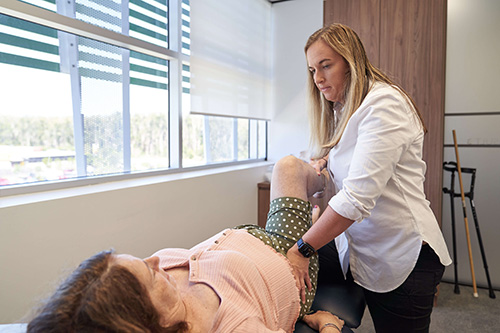

What to Expect at Your First Appointment
Using a combination of hands-on therapy, crutches & bracing prescription, advanced techniques, and education, we aim to empower our clients to achieve optimal health and return to the activities they love.
Here’s what you can expect:
Assessment & History
We’ll start by discussing your symptoms, medical history, and lifestyle. It helps us understand the bigger picture and how we can best support your recovery. We’ll also assess your posture, movement, strength, and flexibility to pinpoint the areas that need require treatment.
Diagnosis & Goal Setting
Once we’ve gathered all the information, we’ll explain what’s going on and what might be contributing to the issue. Together, we’ll set both short-term and long-term recovery goals that are specific to your needs and discuss your treatment plan, in regard to number of sessions required with Physio +- other modalities/investigations
Treatment Plan
Your treatment will be tailored to help you recover quickly and effectively. This might include:
- Hands-on therapy like massage, joint mobilization, or dry needling to ease tension and improve movement.
- Exercise prescription with stretching, strengthening, and rehab exercises designed for your recovery.
- Education on things like posture, ergonomics, and lifestyle changes to help you manage your condition and prevent further injury
- Pain management tools like ice/heat therapy, taping, or electrotherapy if needed to help manage discomfort.
Home Program
To keep you on track, we’ll provide you with exercises and self-care strategies to do at home. We’ll also check in on your progress and discuss any follow-up appointments to ensure you’re heading in the right direction.
Our goal is to make your recovery as smooth and effective as possible – with a plan that fits into your life and helps you feel better, faster!
Our Modalities
Online Physiotherapy (Telehealth)
Our online physiotherapy consultation service utilizes advanced video meeting technology to connect you with one of our physiotherapists for a video-based session. You can join the consultation using almost any smartphone, tablet, laptop, or desktop computer equipped with a camera, microphone, and speakers, or you can use a headset or earphones for enhanced sound quality.
Manual Therapy & Joint Mobilisations
Manual therapy is a type of physiotherapy that helps treat conditions affecting the muscles, nerves, and joints. It involves using hands-on techniques and specific exercises to reduce pain and improve movement. This approach is based on both proven scientific research and an understanding of the physical, emotional, and social factors that affect each individual patient.
Exercise Rehabilitation
Exercise rehabilitation in physiotherapy involves using targeted exercises to help patients recover from injuries, manage chronic pain, and improve overall movement and strength. The exercises are tailored to each person’s specific condition and goals, aiming to restore function, prevent further injury, and enhance physical performance. It plays a key role in the recovery process by building strength, flexibility, and endurance to support long-term health and mobility.
Dry Needling
Dry needling is a technique used in physiotherapy where thin, sterile needles are inserted into specific "trigger points" in the muscles to relieve pain and improve movement. These trigger points are areas of muscle tightness or spasms that can cause discomfort or limit function. Dry needling helps release these tight spots, promotes healing, and reduces pain.
Benefits: reduces muscle pain and tension, improves range of motion and flexibility, enhances muscle function and strength, speeds up recovery from injuries, and can decrease inflammation and promote healing.
Electrotherapy
Electrotherapy in physiotherapy uses electrical energy to reduce pain, promote healing, and improve muscle function. Techniques like TENS (Transcutaneous Electrical Nerve Stimulation) and EMS (Electrical Muscle Stimulation) help manage pain, reduce inflammation, and stimulate muscle activation. It is often used alongside other physiotherapy treatments to enhance recovery and restore function.
Heat and Cold Therapy
Heat and cold therapy are commonly used in physiotherapy to manage pain, inflammation, and muscle tension. Heat therapy increases blood flow, relaxes muscles, and improves flexibility, making it ideal for chronic pain and stiffness. Cold therapy (cryotherapy) reduces swelling, numbs pain, and slows inflammation, often used for acute injuries. Both methods support recovery and are often combined with exercise and manual therapy for optimal results.
Exercise Therapy
Exercise therapy in physiotherapy involves tailored exercises designed to improve strength, flexibility, endurance, and overall function. It targets specific muscles, joints, or movement patterns to address injury, reduce pain, and prevent future issues. By gradually increasing intensity and complexity, exercise therapy helps individuals recover from injury, manage chronic conditions, and enhance overall physical health and performance.
Bracing and Supports
Bracing in physiotherapy involves the use of custom or off-the-shelf braces to support and stabilize injured joints or muscles. These braces help reduce pain, prevent further injury, and promote proper movement by limiting excessive motion or providing alignment. Often used in recovery from sprains, strains, or surgeries, bracing aids in rehabilitation, allowing for a safer return to daily activities or sports.
Kinesiology Taping
Kinesiology taping in physiotherapy involves applying a special elastic tape to the skin to support muscles and joints without restricting movement. The tape helps reduce pain, swelling, and inflammation, while promoting circulation and lymphatic drainage. Often used for injury recovery, muscle strain, or postural issues, kinesiology taping enhances the body's natural healing process and provides support during physical activities.
VALD Testing
Our VALD testing service uses advanced technology to assess your strength, power, and performance with precision. By measuring key metrics such as muscle force and balance, VALD testing provides valuable insights into your physical capabilities and any imbalances that may increase your risk of injury. This data-driven approach allows our physiotherapists to tailor your treatment plan more effectively, track progress, and optimize your rehabilitation or training for faster, safer recovery and improved performance. RTS Testing
Return to Sport Testing
Our Return to Sport testing is designed to ensure you're fully prepared to resume your athletic activities after an injury. Using a combination of physical assessments and sport-specific movements, our physiotherapists evaluate your strength, agility, and endurance to determine if you're ready to return to your sport safely. This testing helps identify any potential weaknesses or risks, allowing us to create a personalized plan to improve performance, prevent re-injury, and give you the confidence to return to your sport with a strong foundation.
Gait Training
Gait training in physiotherapy focuses on improving a person's walking pattern to enhance mobility and reduce the risk of falls. It involves assessing and correcting abnormal gait patterns caused by injury, weakness, or other conditions. Through targeted exercises, balance training, and the use of assistive devices if necessary, gait training helps restore normal walking function and promotes safer, more efficient movement.
Frequently Asked Questions
Do I need a referral to see a physiotherapist in Caloundra?
No. You can book directly with Fortius Allied Health in Caloundra for private physiotherapy without a GP referral. If your care is funded through WorkCover QLD, CTP or a Medicare chronic condition management plan, the rules for that scheme apply. Read Do You Need a GP Referral to See a Physiotherapist in Queensland?
Where is the Fortius Allied Health Caloundra clinic?
The clinic is at 41 Bombala Terrace, Caloundra QLD 4551, across the road from Bulcock Street, with free parking. Phone 07 5293 6000. It is open Monday to Friday, 7am to 5:30pm.
Does the Caloundra clinic treat shoulder and knee injuries?
Yes. Our Caloundra physiotherapists treat shoulder dislocation and instability, rotator cuff problems, frozen shoulder, ACL and meniscus injuries, kneecap pain and knee osteoarthritis, and provide rehabilitation after shoulder and knee surgery. See our shoulder physiotherapy and knee physiotherapy pages.
Can I claim private health rebates in Caloundra?
Yes. If your private health extras cover includes physiotherapy, exercise physiology or remedial massage, you can claim a rebate. How much you get back depends on your fund and your level of cover.
Do you see WorkCover, CTP and NDIS clients in Caloundra?
Yes. We see people with accepted WorkCover QLD and CTP claims, and NDIS participants who are self managed or plan managed. Bring your claim number or plan details when you book.
What should I bring to my first physiotherapy appointment?
Bring any scans, reports or referral letters, your surgeon’s rehabilitation protocol if you have had surgery, and your private health, WorkCover or CTP details. Wear comfortable clothing that lets your physiotherapist see and move the area being treated.
How many physiotherapy sessions will I need?
It depends on your condition, how long you have had it and your goals. Your physiotherapist will give you an estimate after your first assessment and review it as you progress. For lower back pain, a typical course runs to around 12 sessions. Read How Many Physiotherapy Sessions Will I Need for Lower Back Pain?
Do you have early physiotherapy appointments in Caloundra?
Yes. The Caloundra clinic opens at 7am on weekdays. If you need an evening appointment, our Birtinya clinic is open until 6:30pm on weekdays.